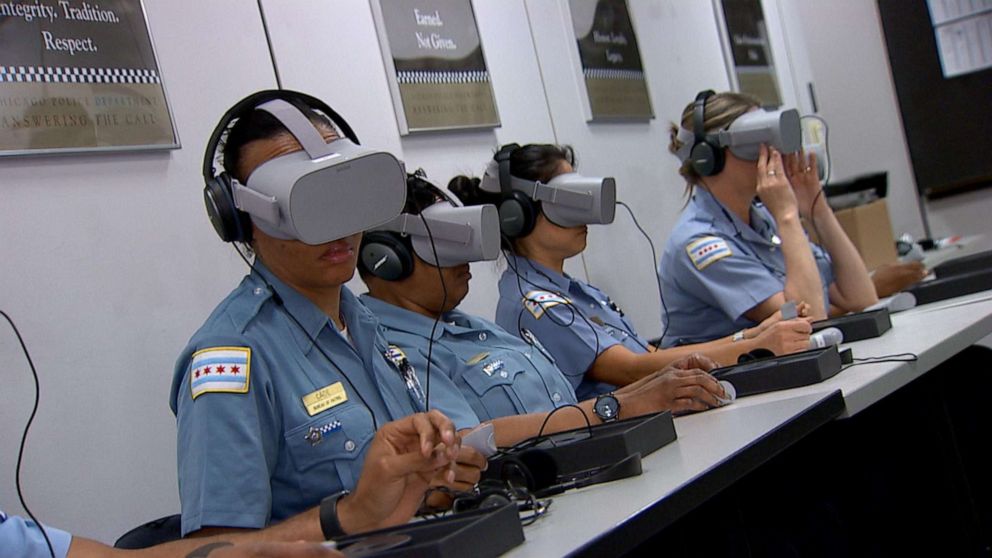
Working in a correctional facility requires more than discipline and physical readiness. Corrections officers must remain alert, communicate effectively, and make sound decisions in environments where tensions can rise without warning. A routine conversation with an inmate can quickly become a challenging situation, requiring officers to assess potential risks and respond professionally. Maintaining safety in such settings depends on preparation, situational awareness, emotional control, and the ability to handle unexpected developments.
Preparing officers for these demanding responsibilities can be challenging. Traditional training methods provide essential knowledge, but they cannot always recreate the pressure and unpredictability of real correctional environments. This is where a corrections officer VR training simulator can make a meaningful difference. By combining immersive virtual environments with interactive scenarios, virtual reality (VR) training allows officers to practice their skills, evaluate their decisions, and develop confidence before facing similar situations on duty.
Why the use of a corrections officer VR training simulator would be a good idea
Correctional facilities are complex workplaces where circumstances can change within seconds. An inmate may become verbally aggressive, a disagreement between individuals may escalate, or an unexpected medical emergency may require immediate intervention. Officers must recognize warning signs, understand their surroundings, and respond according to established procedures. Classroom instruction remains important for teaching institutional policies, safety protocols, and professional responsibilities. However, reading about conflict management is different from experiencing a tense interaction and having to decide how to respond. Similarly, conventional training exercises may not adequately reproduce the pressure associated with managing multiple individuals in a confined space.
A corrections officer VR training simulator can address these limitations by creating interactive environments where officers can practice responding to different situations while following the procedures relevant to their facility. One of the biggest advantages of a corrections officer VR training simulator is the opportunity to experience challenging situations without exposing anyone to the physical risks associated with real incidents.
Officers can enter virtual correctional environments, interact with simulated individuals, and make decisions based on what happens around them. They may encounter an uncooperative inmate, manage a disagreement, or respond to a developing emergency. These exercises allow trainees to experience the complexity of correctional work in a controlled setting.
Mistakes become valuable learning opportunities rather than incidents with real-world consequences. If an officer makes an inappropriate decision or misses an important warning sign, the instructor can pause the exercise, explain what happened, and allow the trainee to try again. Repeated practice helps officers identify weaknesses, improve their responses, and become more comfortable handling difficult interactions. Over time, this experience can help them approach challenging situations with greater confidence and composure.
Correctional officers rarely encounter situations that unfold exactly as expected. Effective training must therefore prepare them to think independently instead of simply following a predetermined sequence of events. Modern VR training platforms can support instructor-controlled scenarios in which virtual characters respond to the trainee’s words and actions. An instructor may assume the role of an inmate, visitor, or colleague and interact with the officer throughout the exercise. This approach allows trainers to adjust the situation as it develops. If an officer communicates effectively and successfully reduces tension, the instructor can introduce another challenge. If the trainee struggles, the instructor can modify the scenario to provide additional practice or create an opportunity to reassess the situation.